Planning a purchase?
Get familiar with commercial trailer financing, then discuss options for the unit you’re considering. Terms depend on the equipment and application.
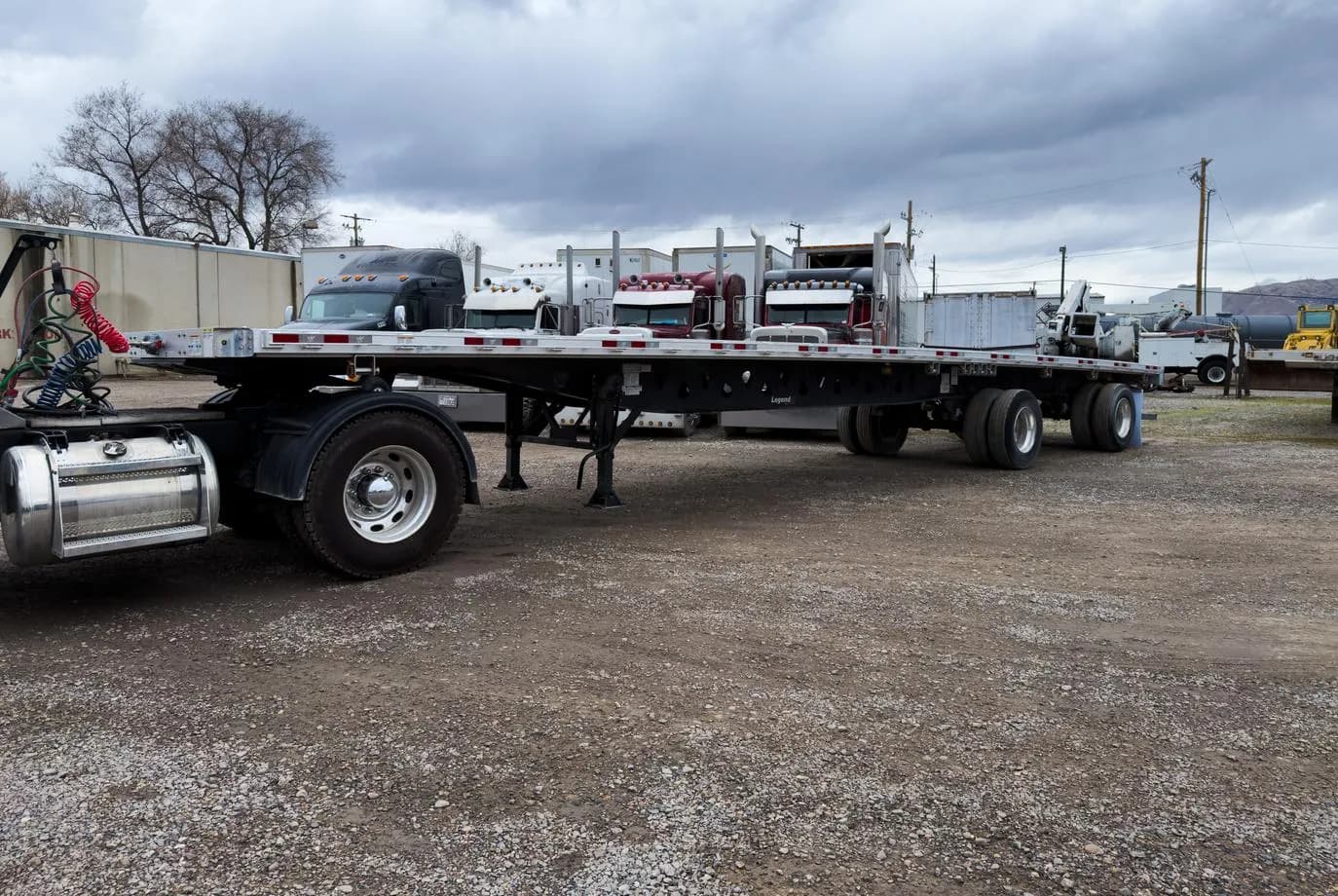
Western Truck & Trailer supplies flatbed trailers designed for hauling equipment, construction materials, and oversized freight.
Open decks are listed together: tick a category to narrow the grid. Shopping step decks specifically? See the full step decks page.
8 / 8
 New

Call for availability
Call for price
 New
Call for availability
Call for price
 New
Call for availability
Call for price
 New
Call for availability
Call for price
 New
In stock
$47,900
 Used
In stock
$32,900
 Used
In stock
$53,900
 Used

In stock
$57,000
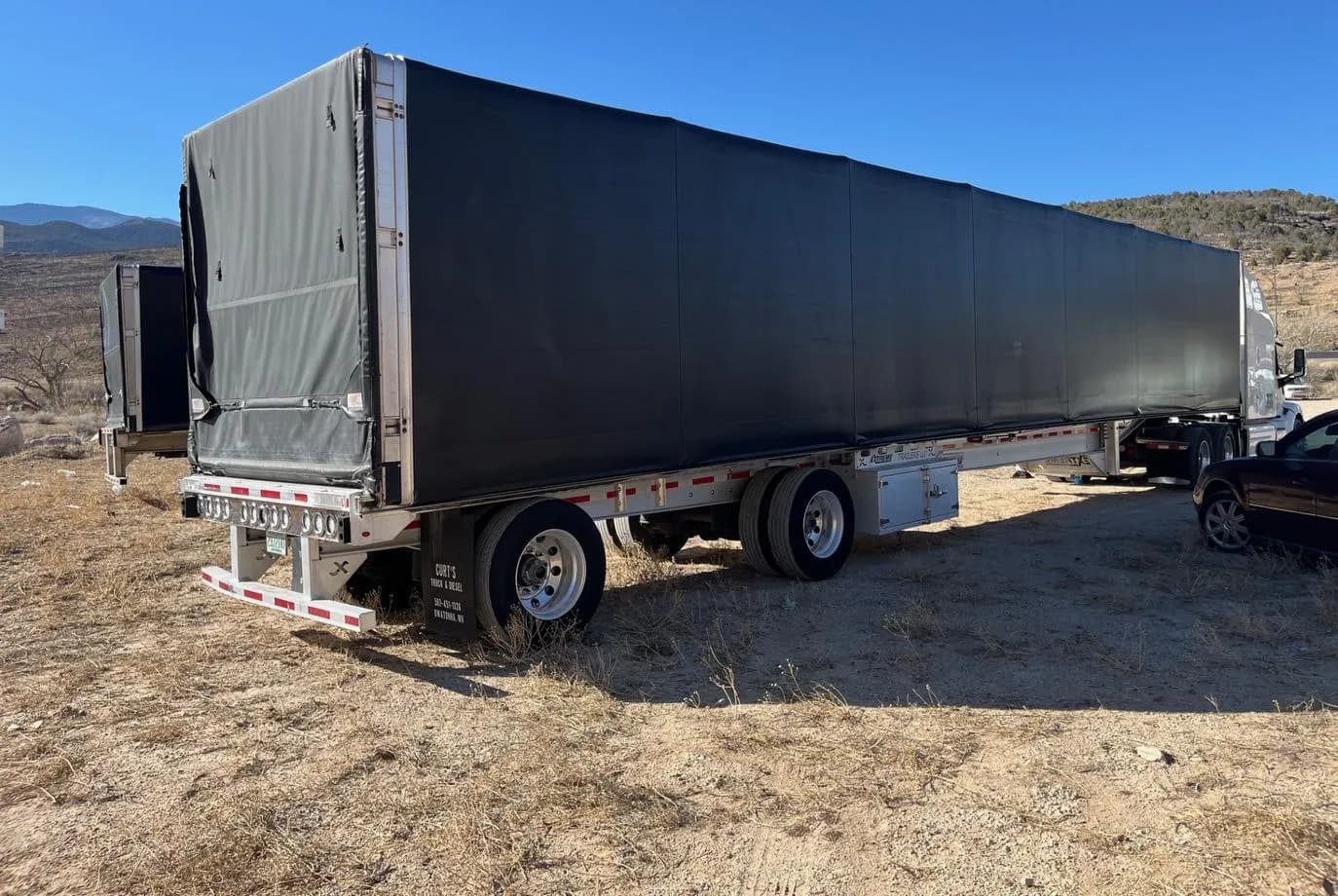
A flatbed is a single-level, open trailer with no fixed sides or roof. It gives forklifts and cranes access to freight from the sides, rear or above.
From bundled lumber and steel to palletized materials and machinery, the right fit starts with your load’s footprint, weight and loading method. Use this guide to narrow the choices.

Bring the dimensions and weight of your regular loads, plus anything unusual you expect to haul. These four details help make a useful comparison between trailers.

Compare deck length, width and height against the actual freight. Long bundles need continuous support; tall machinery may call for a lower deck. Include dunnage and loading clearance in the conversation.
A distributed-load rating does not tell the whole story for a compact machine or a heavy bundle. Confirm the manufacturer’s rating for the load’s footprint, along with trailer weight and axle configuration.
Steel, aluminum and combination trailers offer different weights, deck designs and repair considerations. Compare the specific build against your payload needs, working conditions and maintenance plans.
Explain how freight gets on and off: forklift, crane or equipment ramps. Review the deck, anchor locations, winches and any ramp package for your loads. Equipment and ratings vary by trailer.

A flatbed gives you one continuous loading surface. A step deck, also called a drop deck, trades that single level for a higher front deck and a lower main deck. That lower section can help with taller freight, but its usable length matters just as much as its height.
Read the step deck vs. flatbed comparisonMoving heavy, tall machinery? Compare a lowboy’s lower equipment deck and loading configuration before choosing a platform trailer.
Explore lowboy trailersWhether you’re evaluating a used flatbed or maintaining one in your fleet, look at the whole trailer. A fresh deck alone does not establish its condition.

Get familiar with commercial trailer financing, then discuss options for the unit you’re considering. Terms depend on the equipment and application.
A flatbed rental may fit a temporary need or extra work. Share your load requirements, pickup location and dates so the team can check availability and terms.
A few details to settle before you request a quote or visit the yard.
Yes. Flatdeck, flat deck and flatbed describe the same single-level, open-deck trailer. A step deck, stepdeck or drop deck has two deck levels. Compare the actual deck dimensions and configuration, regardless of the name in a listing.
Start with the length, width and height of your freight, then account for how it will be supported, loaded and secured. Check each trailer’s usable deck dimensions and deck height. For long loads, ask whether a standard or extendable platform suits the job; for tall loads, compare a step deck.
There is no single capacity for all flatbeds. Confirm the specific trailer’s load rating, including any concentrated-load rating, its empty weight and axle configuration. The truck, load placement and route also affect what the combination can carry. Ask the team to review your load against the unit’s specifications.
Compare actual trailer weight, deck construction, rated capacity and repair requirements. A lighter trailer may help your payload goals, while your loading methods and working environment may favor a different build. The material label alone is not enough to choose a trailer.
Only when the trailer and loading equipment are designed and rated for that machine and loading method. Do not assume a flatbed includes ramps or is suitable for drive-on loading. Share the machine’s weight, dimensions and ground clearance so the team can compare ramp-equipped platforms, step decks and lowboys.
Use the stock number in the listing when you contact the team. Confirm the trailer’s current location, specifications and availability before arranging a visit or pickup. Guide photos illustrate equipment types and details; they are not a live stock list.
Send your freight dimensions, weight, loading method and usual routes. We’ll help you compare the available equipment and work through the next steps.