
Need to discharge beside the trailer?
A side dump tips its tub to the side. Compare it when lateral placement suits the site, or when your loads need a different discharge opening.
Explore side dump trailersWestern Truck & Trailer supplies bottom dump trailers (belly dumps) built for windrow placement of aggregate, asphalt, and other bulk materials.
Comparing dump styles? Read the Belly vs. end vs. side dump guide.
11 / 11
 New

In stock
$164,900
 New
Call for availability
Call for price
 New
Call for availability
Call for price
 New

Call for availability
Call for price
 New
In stock
$164,900
 New
In stock
$164,900
 New
In stock
$164,900
 New
In stock
$164,900
 New
In stock
Call for price
 New
2 in stock
$66,900
 New
2 in stock
$65,900
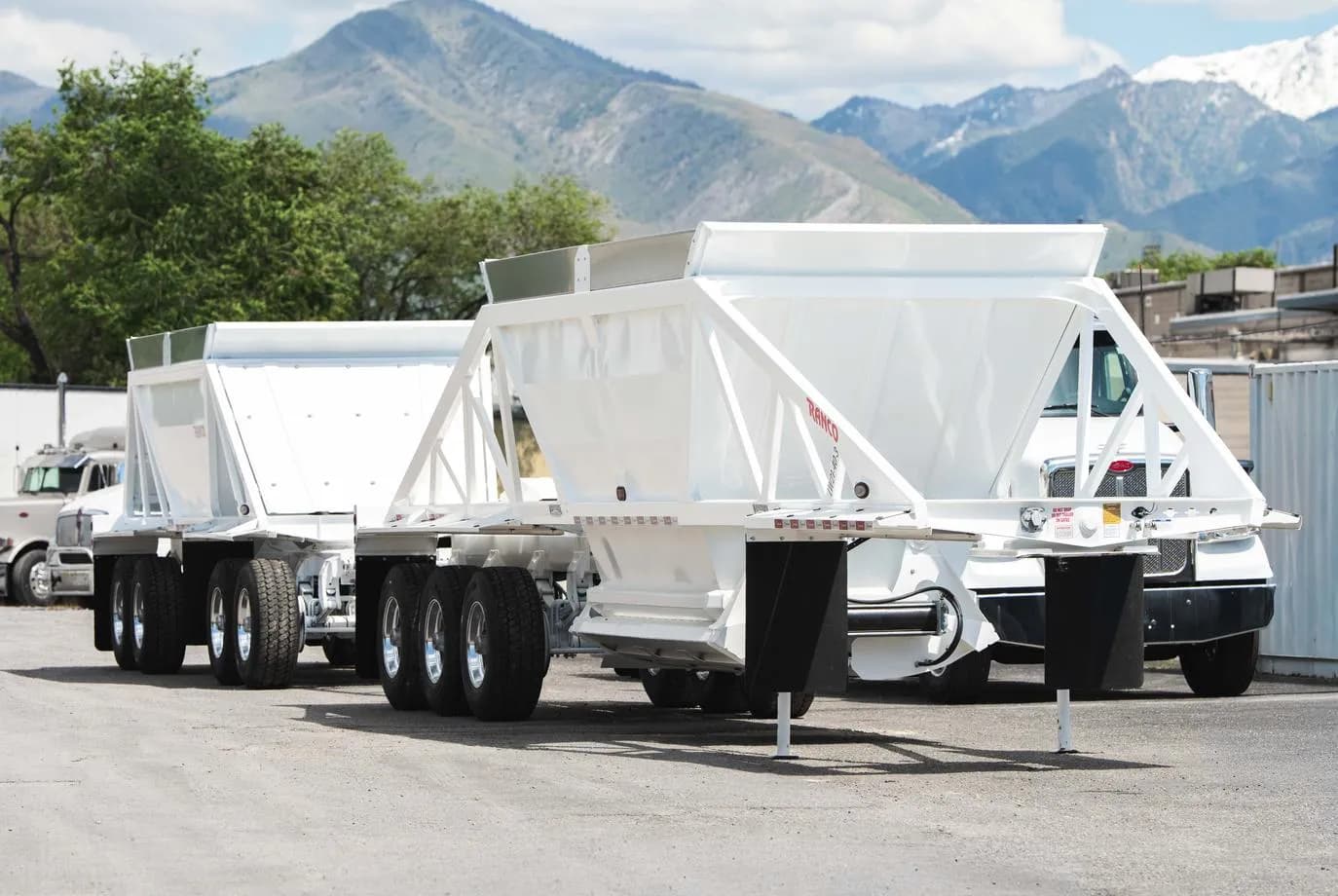
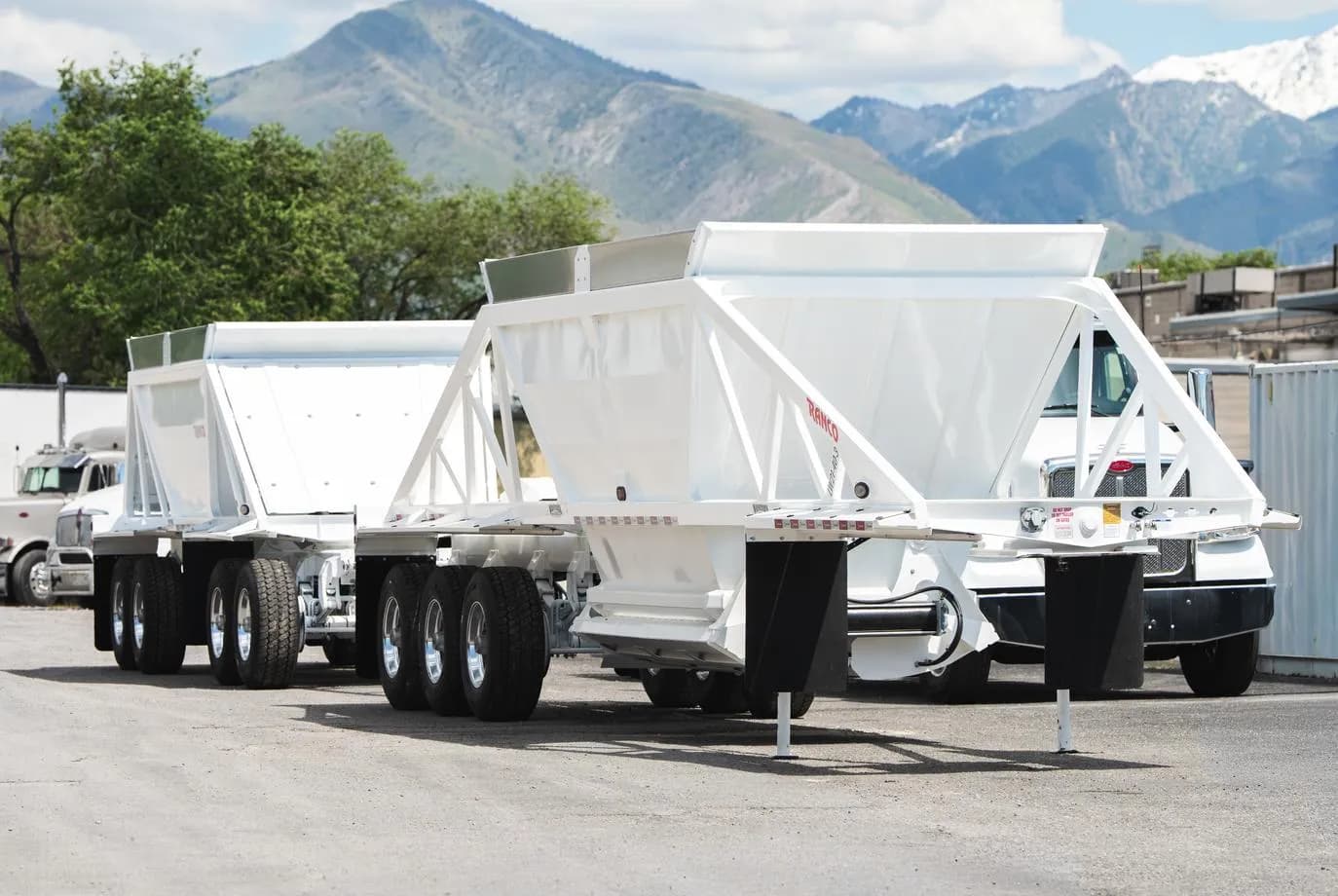
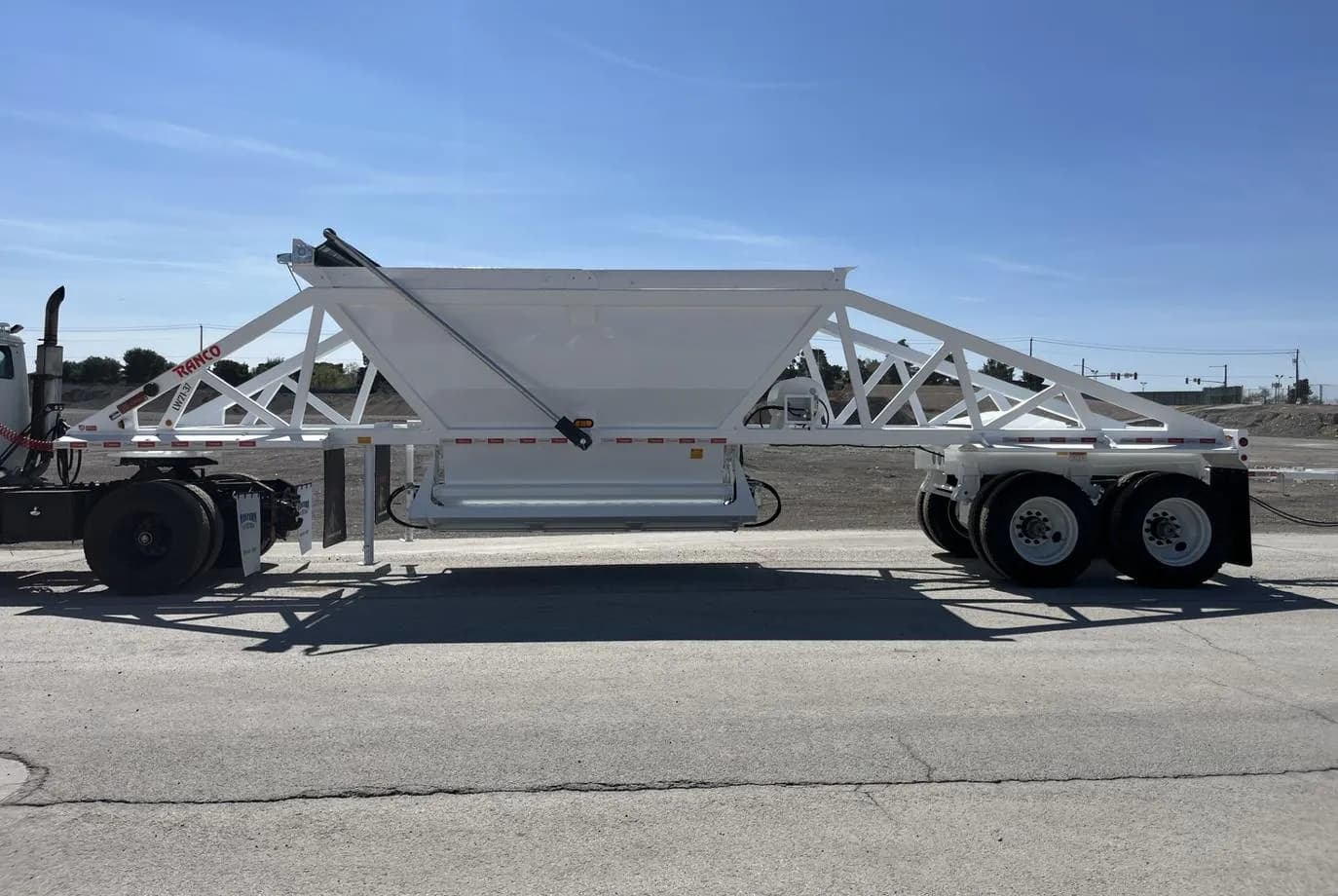
A bottom dump, often called a belly dump, releases material through gates beneath the hopper. It is a strong fit for placing free-flowing aggregate, sand and road base in a windrow along the work area.
Start with what you haul and how the crew needs it delivered. Material flow, gate clearance and the route matter as much as the size of the hopper.

Bring your material, target load and unloading requirements to the conversation. These details help narrow the equipment before you compare individual listings.
Understand dump trailer capacity: yards vs. tons
Aggregate size, moisture and consistency affect how a load moves through the gates. Large chunks or sticky spoil need a closer review. For asphalt, confirm the trailer and gate setup suit the mix and paving operation.
Cubic yards describe hopper space, not payload. Compare material density, trailer tare weight and the truck-and-trailer ratings. A full hopper may reach a weight limit before it reaches its volume limit.
Review the discharge pattern, gate opening, ground clearance and controls. Match the trailer to the planned windrow and receiving equipment; gate configurations vary by model.
Confirm tractor compatibility, axle layout and the roads you run. For a train, review the complete combination, including connections, controls and maneuvering space.

A single belly dump keeps the combination simpler. A train couples multiple trailers behind one tractor, adding hauling capacity and more requirements for the truck, route and unloading area.
Compare the complete setup, not just the number of hoppers. Tell us your tractor specifications, usual routes and jobsite access so we can discuss a single unit or a matched combination.
Compare current belly dump listingsIf the material or receiving area calls for a different approach, these are the next two categories to compare.
A side dump tips its tub to the side. Compare it when lateral placement suits the site, or when your loads need a different discharge opening.
Explore side dump trailersAn end dump raises the body to release material through the rear. Review the material, unloading surface and overhead space for the specific trailer.
Explore end dump trailersBuying used or maintaining a fleet? Review wear and service history with the same care as capacity. Our parts and service teams can help you identify the next step.

For seasonal work or an extra haul truck, ask about belly dump rentals. Share your material, dates, pickup location and required configuration so the team can check availability.
Compare the equipment first, then discuss financing for the unit or combination you need. Our guide explains what to prepare before you apply.
The details buyers ask about most, from terminology to choosing a configuration.
Yes. Both names describe a trailer that discharges through gates beneath its hopper. Gate designs can differ, so check the specific model’s discharge pattern rather than assuming every bottom dump unloads the same way.
Free-flowing aggregate, sand and road base are common applications. Some configurations also serve asphalt work. Material size, moisture and temperature matter; confirm compatibility with the specific trailer. Large debris or sticky material may call for a different dump style.
No. A belly dump can place material in a windrow, but that does not mean the material is spread to finished width, grade or compaction. Plan the rest of the job around the required surface and the receiving crew’s equipment.
Western Truck & Trailer offers single belly dumps and multi-trailer train configurations. Check current listings or ask the team about availability. A train needs a review of the complete combination, tractor compatibility, route requirements and jobsite access.
There is no single payload figure for the category. Hopper volume, empty weight, equipment ratings, axle layout and route restrictions all matter. Provide the material and intended route so the team can help compare specific trailers; do not treat cubic yards as a weight rating.
Bring your material type, expected load, tractor details, usual routes and preferred pickup location. Include the stock number if you have a particular unit in mind. For a rental, add your dates; for a train, describe the complete configuration you need.
Tell us your material, expected load, tractor setup and usual routes. We’ll help you compare the available belly dumps and work through the next steps.