
Belly Dump vs. End Dump vs. Side Dump: How to Choose
Belly, end, and side dump trailers compared by a dealer that sells all three — unload method, stability, best materials and jobsites, and what each costs.
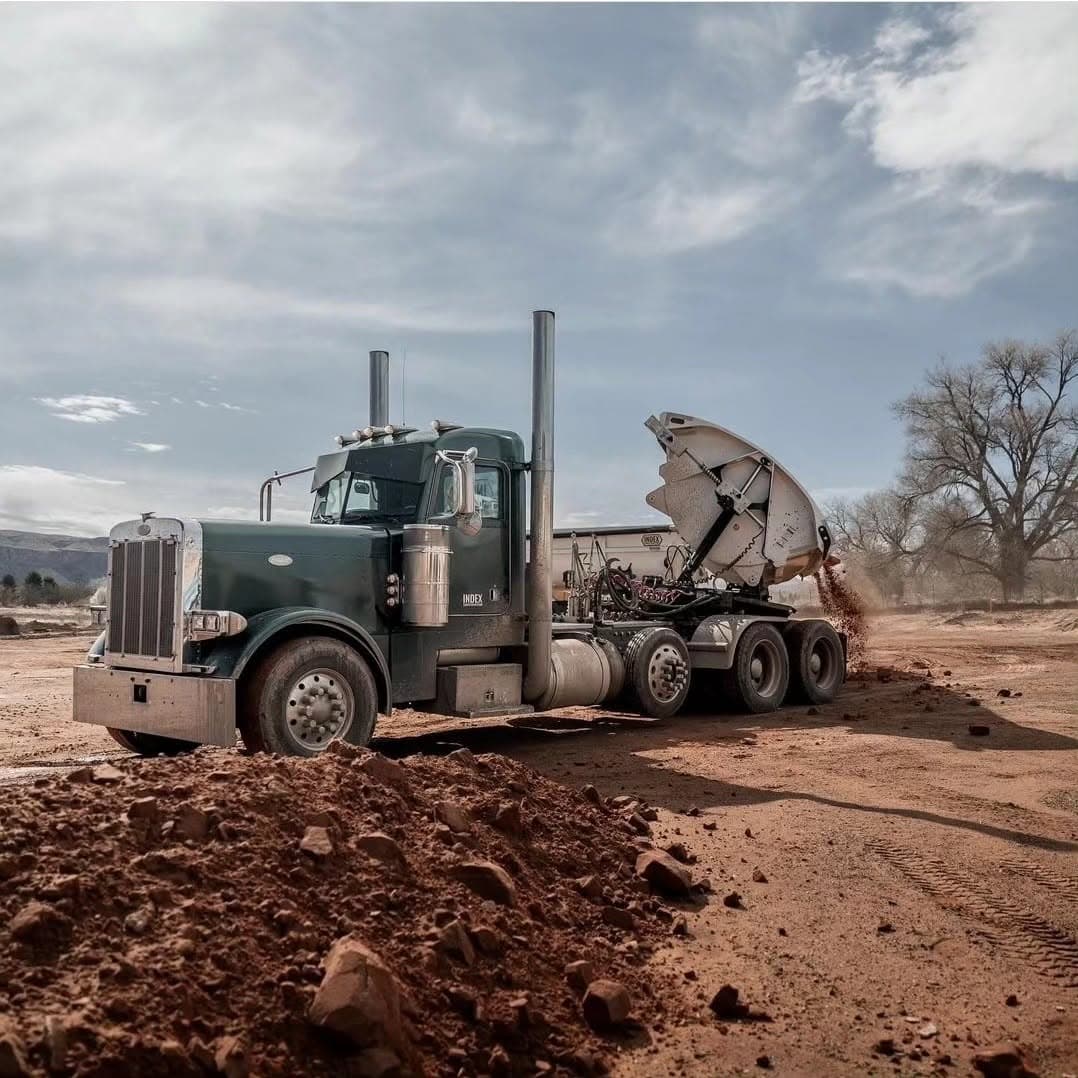
Three dump trailers, three completely different unload jobs. Pick by how you empty the load, not by the sticker:
- Belly dump drops material through gates in the belly — spreads a clean windrow while you roll. Road base, aggregate, sand.
- Side dump tips the tub to one side — fast, stable, dumps on the move, low tip-over risk. Aggregate, asphalt, riprap, tight sites.
- End dump raises the nose and dumps out the back — the most volume in one shot, but it needs level ground. Demolition spoil, rock, dirt.
Get the unload method right and the trailer earns; get it wrong and you're fighting the load every day. Here's how the three actually differ.
How each one unloads (the real difference)
Belly dump (buyers call it a belly dump — a matched pair is a "belly dump train").
Clamshell gates in the bottom open and lay material in a controlled windrow under the trailer as the truck moves. That's why paving and grading crews run them — one pass spreads road base without a second machine. They need clearance under the gates and don't do well with large chunks or sticky, wet spoil that bridges the gate.
Side dump.
Hydraulic rams tilt the tub to dump off either side. The load leaves fast and the trailer stays planted — side dumps have the lowest rollover risk of the three because the center of gravity stays low through the dump, and you can dump while creeping forward to spread. Good on uneven or tight sites where raising a tall end-dump box is risky. SmithCo builds the side dumps we sell the most of (the SX line); Western is one of the top SmithCo dealers in the country.
End dump.
The front lifts and the whole box empties out the back — the highest single-dump volume and the best fit for heavy rock, demolition debris, and dense material. The trade-off is stability: a raised box on soft or sloped ground is where dump trailers tip, so end dumps want level, firm footing to unload.
Side-by-side
Belly dump | Side dump | End dump | |
|---|---|---|---|
Unloads by | Belly gates (windrow) | Tilting tub to the side | Raising the front, out the back |
Dump on the move? | Yes (spread) | Yes (spread) | No |
Tip-over risk | Low | Lowest | Highest (raised box) |
Best materials | Road base, aggregate, sand | Aggregate, asphalt, riprap | Rock, demolition spoil, dirt |
Best jobsite | Paving/grading, open haul roads | Tight or uneven sites, spreading | Level ground, heavy single drops |
WT brands | Ranco | SmithCo (SX line), Midland | Ranco |
What they cost at Western
Dump-trailer pricing tracks size, axle configuration, and brand. As a reference from our yards, SmithCo side dumps run roughly $87,900 to $142,900 across the SX3–SX6 sizes, and comparable belly and end dumps fall in a similar band by configuration. (Verify current pricing on the live category pages — inventory turns.) Financing is $0 down for qualified buyers with terms to six years and seasonal skip payments, so the note can follow your build season instead of the calendar.
"Wes was a pleasure to work with and he helped us secure 3 brand new belly dump trailers at an incredible rate. 10/10"
— Steffan D., Western Truck & Trailer customer (Google review, Salt Lake City)
Which should you buy? (quick rules)
- Spreading aggregate or road base on the move → belly dump.
- Tight, uneven, or rollover-sensitive sites, or you dump a lot of different materials → side dump.
- Heavy rock or demolition spoil, level ground, max payload per drop → end dump.
- Running a spread paving operation → a belly dump train (matched pair).
Still deciding? Tell our sales team the material, the jobsite, and how you unload, and we'll spec it. See what's on the yard now:
Frequently asked questions
- Is a belly dump the same as a bottom dump?
- Yes — "belly dump" and "bottom dump" are the same trailer; gates in the belly release material in a windrow. Most operators say "belly dump," and a matched pair pulled together is a "belly dump train."
- Which dump trailer is least likely to tip over?
- The side dump. Its center of gravity stays low through the dump because the tub tilts to the side instead of raising a tall box, which makes it the most stable of the three — one reason crews run them on uneven or confined sites.
- Can you dump while moving?
- Belly dumps and side dumps can spread material while the truck rolls forward, which is why paving and grading crews use them. An end dump has to be stopped and level to raise the box and unload.
- What do you haul in an end dump vs. a side dump?
- End dumps handle the heaviest single loads — rock, demolition debris, dense dirt — on level ground. Side dumps favor aggregate, asphalt, and riprap where speed and stability matter and space is tight.