
Trailer "types" only matter for one reason: matching the trailer to the load. Here's the working lineup, sorted by the job it does: heavy equipment, bulk material, freight and long loads, and specialty. Each links to what we've got on the yard.
Haul heavy equipment
Lowboy (lowbed / double drop). A recessed well keeps tall, heavy machines — excavators, dozers, pavers — under legal height. RGN (removable gooseneck) versions detach so equipment drives right on. Brands we carry: XL Specialized, Alpha HD, Choice, Fontaine (used). → Lowboy trailers
Step deck (drop deck). A two-level deck carries loads a hair too tall for a flatbed but under lowboy territory, and gives you more usable deck length. Rear ramps for drive-on. → Step deck trailers — in our flatbed inventory
Move bulk material
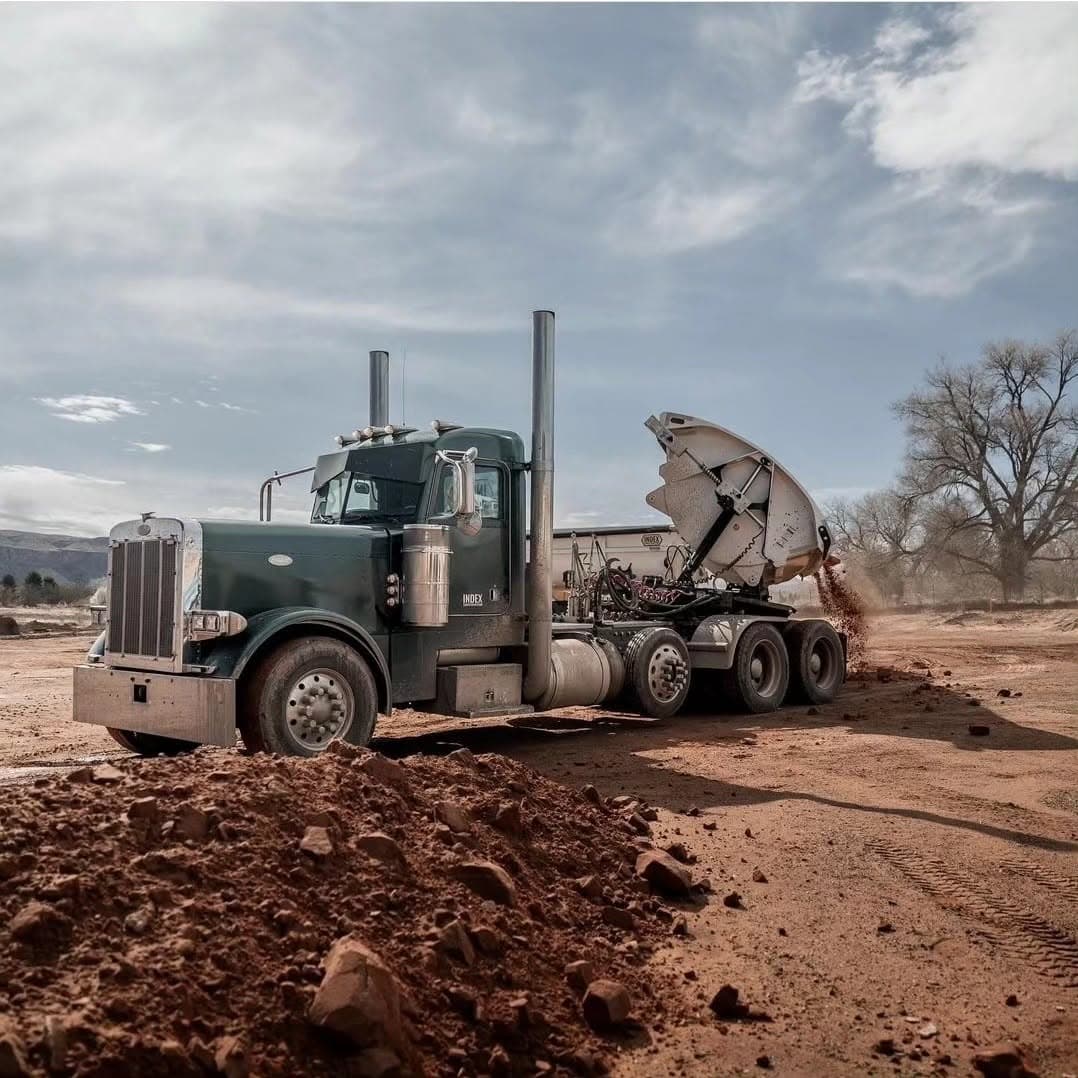
Side dump. Tilts its tub to dump off either side: fast, stable, spreads on the move. SmithCo (SX line) is what we sell most, with Midland side dumps too; Western is one of the top SmithCo dealers in the country. → Side dump trailers
Belly dump. Belly gates lay a clean windrow of aggregate or road base while you roll. A matched pair is a "belly dump train." Ranco. → Belly dump trailers
End dump. Raises the front and empties out the back: the most volume in one drop, best for rock and demolition spoil on level ground. → End dump trailers
New to the dump family? Start with our belly vs. end vs. side dump guide.
For the numbers, see dump trailer capacity by type.
Carry freight and long loads
Flatbed. The workhorse: open deck for steel, lumber, machinery, and palletized freight, loaded from any side or overhead. Manac, Dorsey. → Flatbed trailers
Tilt & tag. A tilting deck or a tag-along makes drive-on loading of smaller equipment simple, no separate ramps. → Tilt & tag trailers
Specialty
Tanks & pneumatics. Sealed tanks for liquids and pressure-discharge pneumatic trailers for dry bulk like cement and sand. → Tanks & pneumatic trailers
Vacuum trailers. Vacuum tanks for oilfield and industrial liquids and slurry. → Browse inventory
Not on this list — water trucks, custom oilfield builds — comes up on a call. If it hauls, we can usually spec it.
"Friendly and helpful staff, Wesley didn’t give up till he found the trailer we were satisfied with, even helped us sell our used trailer"
— Timothy S., Western Truck & Trailer customer (Google review, Belgrade, MT)
How to pick
- What's the load? Tall/heavy machine → lowboy or step deck. Bulk material → a dump. Freight/steel → flatbed. Liquid or dry bulk → tank/pneumatic.
- How do you unload? Spread on the move → belly or side dump. One heavy drop → end dump. Drive-on → RGN lowboy, step deck, or tilt.
- How tall and how often? 60%+ of loads over 10'2" → lowboy; otherwise a step deck is more versatile (that call is worth a read: lowboy vs. step deck).
Tell our team the load and the jobsite and we'll match it: four yards across UT, NV, MT, and TX, with service and parts running out of Salt Lake and Vegas.
Frequently asked questions
The most common commercial trailer types are lowboys (for heavy equipment), step decks, flatbeds, dump trailers (belly, side, and end dumps), tilt & tag trailers, tank and pneumatic trailers, and vacuum trailers. Which one you need comes down to the load and how you unload it.
A flatbed is a single-level open deck for freight, steel, and machinery loaded from the sides or top. A lowboy has a recessed well that sits much lower to the ground, keeping tall, heavy equipment under legal height limits — it's built for machines a flatbed can't legally or safely carry.
Belly dumps and side dumps can both spread material as the truck rolls forward, which is why grading and paving crews use them. End dumps must be stopped and level to raise the box and unload.
Yes. Western Truck & Trailer offers short- and long-term rentals alongside sales, financing, parts, and service. Rental availability varies by location and current fleet — contact your nearest branch.